Revolutionising Industrial Manufacturing with 3D Scanning Technology
The Power of 3D Scanning in Engineering
In the fast-paced world of industrial manufacturing, efficiency and precision are paramount. Traditional methods of producing and replacing machine parts often involve costly downtime, lengthy lead times, and a significant margin for error. However, 3D scanning technology is changing the game, offering a streamlined and highly accurate solution for reverse engineering and part fabrication.
3D scanning technology enables engineers to capture the exact dimensions and geometry of a component with pinpoint accuracy. Using advanced laser or structured light scanners, entire objects can be digitally reconstructed in a fraction of the time it would take using manual measurement techniques. These high-resolution scans provide a digital blueprint that can be refined, optimised, and sent directly to CNC machines or 3D printers for production.
Reducing Downtime, Boosting Efficiency
For industries that rely on specialised machinery—such as paper mills, automotive plants, and heavy equipment manufacturers—unexpected part failures can be disastrous. The conventional process of ordering replacement parts can take weeks or even months, particularly for obsolete or custom components. With 3D scanning and rapid prototyping, manufacturers can significantly cut down on lead times, ensuring that critical parts are reproduced and installed within days instead of weeks.
Reverse Engineering Made Easy
Many industrial facilities operate legacy equipment that lacks original CAD drawings. When a part breaks, recreating it from scratch becomes a tedious process. 3D scanning eliminates the guesswork by generating precise digital models of existing components, allowing engineers to reverse-engineer parts with confidence. Once scanned, the data can be modified to enhance durability, improve performance, or adapt to new applications.
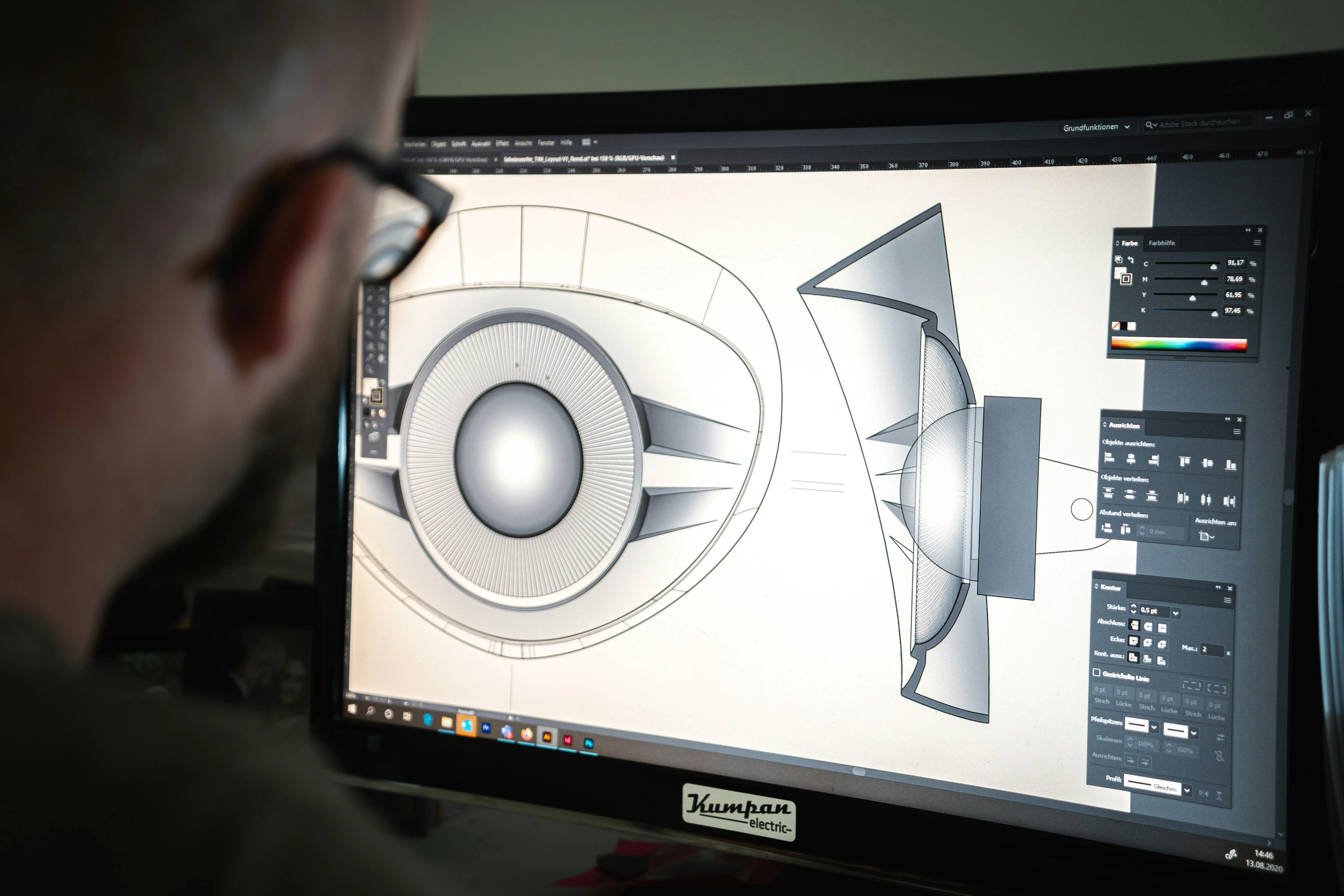
From Scan to Production: A Seamless Workflow
A typical workflow using 3D scanning technology in engineering follows these steps:
- Scanning: The original part is scanned using high-precision 3D scanning equipment, capturing every detail.
- Digital Modelling: Engineers process the scan data and create a CAD model, making any necessary refinements.
- Prototyping or Machining: The final design is sent to a 3D printer for rapid prototyping or to a CNC machine for high-precision manufacturing.
- Quality Control: The newly fabricated part is tested for accuracy and functionality before installation.
Industries Benefiting from 3D Scanning
A wide range of industries are leveraging 3D scanning to enhance their production capabilities, including:
- Paper Mills: Reproducing complex machine components to maintain operational efficiency.
- Aerospace & Automotive: Reverse engineering and quality control for high-performance parts.
- Mining & Heavy Equipment: Creating durable replacement parts for rugged machinery.
- Energy & Utilities: Custom parts for pipelines, turbines, and power plants.
The Future of Manufacturing is Digital
As 3D scanning technology continues to evolve, it is becoming an indispensable tool for industrial manufacturers. The ability to quickly capture, analyse, and reproduce critical machine parts is transforming the way companies approach maintenance, repairs, and upgrades. Businesses that embrace this technology gain a competitive edge, reducing costs and improving overall efficiency.
At Inovexis, we specialise in leveraging cutting-edge 3D scanning and precision engineering to keep your operations running smoothly. Whether you need a one-off part replacement or full-scale production support, our team is here to help.
“Interested in seeing how 3D scanning can revolutionise your business? Contact us today to learn more! ”